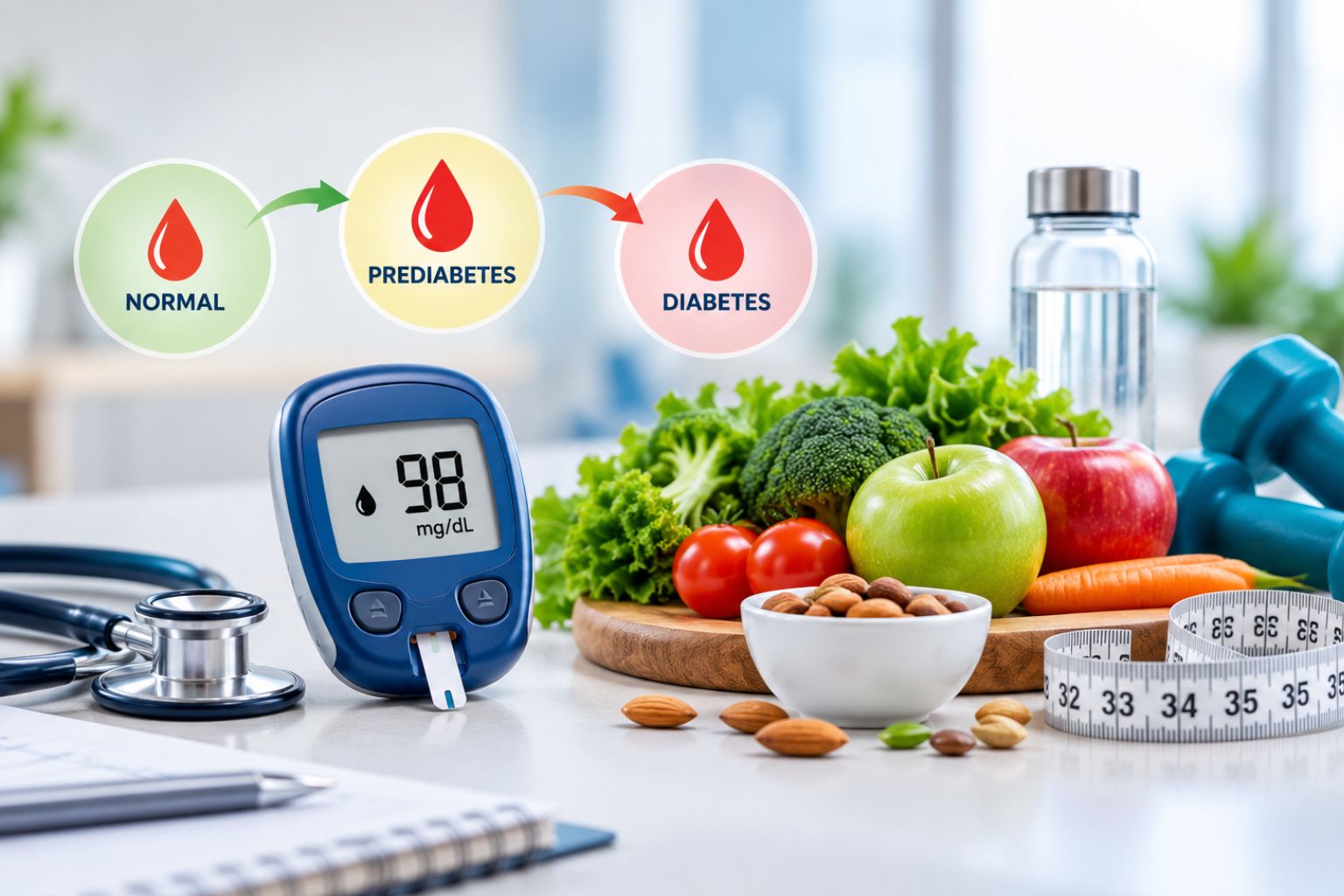


Most people find out about high blood sugar or high blood pressure by accident. A pre-employment medical, a BP cuff at the pharmacy, a lab report with a couple of values printed in bold. Then the real question arrives: which doctor do you see now? A diabetologist, a cardiologist, a kidney specialist? For most families in Thane, the sensible answer starts with one doctor who can see the whole picture. The best physician in Thane for this kind of problem is usually the one who treats diabetes and hypertension as a single, connected condition, because that’s how they behave in the body.
Why These Two Conditions Travel Together
Both diabetes and hypertension wear down the same machinery: the small blood vessels, the kidneys, the heart and the eyes. They also show up in the same kind of person. A desk job, a family history, extra weight around the middle, a diet heavy on rice, salt & carbs, lack of movement. Treat one and ignore the other, and the untreated one keeps doing damage in the background. This damage, when accumulated for longer durations, bursts out in the form of some physical or mental distress and in most cases it’s diabetes, hypertension or anxiety.
That is why Healthcare centres in Thane don’t advise managing them separately, with two prescriptions from two clinics that never talk; this often goes badly. A general physician, also called a consultant physician or internal medicine specialist, is trained to consider both problems at once, along with the thyroid, cholesterol, and infections that can complicate them.
What Actually Happens at the First Visit
A single high reading is not enough to make a diagnosis. Blood pressure can jump when you rush up two flights of stairs or feel anxious in a waiting room, which is pretty much what every patient goes through before taking the test. So a physician will often ask for repeat readings, and sometimes for a week of home readings attached to the file.
Sugar works the same way. An HbA1c of 6.5% or above may point to diabetes, but it usually needs confirmation with a fasting glucose or another test, and conditions like anaemia can skew the result. Alongside these, the physician typically orders a lipid profile, kidney function tests, a urine test and an ECG. It’s dull but necessary groundwork, because it shows what the two conditions have already touched before you felt a thing.
The Part Most People Skip: The Rhythm of Follow-Up
When Doctors ask Most patients what happens after the first prescription, they will say, “I just keep taking the same tablets until I again feel discomfort.” That is the gap. Good management is a schedule, and the physician keeps it.
While treatment is still being adjusted, HbA1c is generally rechecked about every three months. The American Diabetes Association advises that most people with diabetes get their kidneys tested at least once a year, with a urine protein test and a blood test. Its blood pressure goal for people with diabetes is below 130/80 when that can be reached safely. Eyes and feet get checked yearly too, since diabetes damages nerves and retinal vessels quietly.
Home monitoring fills the space between visits and makes sure that the patient is welll aware of the fluctuations and that a simple drastic change will not go unnoticed, so that it does not turn into something unimaginable. A basic BP machine and, where advised, a glucometer give the physician a month of real life instead of one nervous reading in a clinic. Bring the detailed record of these monitorings. Even patchy entries help, and nobody is marking you on neatness.
Then come the small adjustments. A dose that worked at 45 may need changing at 55. A new painkiller can push pressure up. A physician who has your file and remembers what you said last time catches this. Someone seeing you for the first time in a hurry rarely does. Many patients also stop a tablet the moment they feel fine, which is common and worth saying out loud, since a physician can often simplify the regimen once they know.
Food, Salt and the Indian Kitchen
“Eat healthy” is useless advice at a dinner table in a big fat Indian family. What helps is a doctor who asks what’s actually on the plate: how many rotis, how much rice, whether the evening chai comes with two sugars and biscuits, how often namkeen and pickle show up. Salt matters for pressure, refined carbohydrates matter for sugar, and you can trim both without giving up the food a family loves.
Movement follows the same logic. A brisk 30-minute walk on most days beats a gym plan that dies in three weeks. Where a dietician can build a more structured plan, the best physician in Thane says so and makes the referral instead of guessing.
Knowing When to Send You Elsewhere
Part of a physician’s skill is recognising limits. Chest discomfort or an abnormal ECG needs a cardiologist. Protein in the urine may need a nephrologist. Blood sugar that stays high despite good adherence may call for a diabetologist’s input. Blurred vision goes to an ophthalmologist.
The difference between a good referral and a frustrating one is logistics. In a full-service healthcare centre in Thane, the pathology lab, cardiac tests, dietician, and specialists sit in the same building, so a referral means walking down a corridor rather than planning a day around Thane traffic. So the best physician in Thane stays the coordinator, reading the specialist’s notes and folding them into one plan.
Choosing the Best Physician in Thane for Long-Term Care
Qualifications matter, but for a condition you will live with for decades, look at other things too. Does the doctor explain your numbers in plain language? Do they ask which tablets you skip, and why? Can you reach the clinic when your routine is unpredictable? At Thane Polyclinic, consultations run from 7 AM to 10 PM, every day of the week.
Dr Aman Jain, the clinic’s consultant physician, holds an MBBS and a DNB in General Medicine and has more than 30 years of practice, with diabetes, hypertension and preventive cardiology among his main areas of focus. Patients who return to him year after year do so partly for that continuity: he tracks how their numbers move and changes course when they do.
If your last report had a number you didn’t understand, or your BP readings have crept up and nobody has looked at them alongside your sugar, take both to a physician this month. Bring the old reports, the home readings and the list of tablets you take. Finding the best physician in Thane matters less than finding one who’ll still be looking at your file five years from now.